
Do you have to make art to get the cognitive benefits?
Science says no.
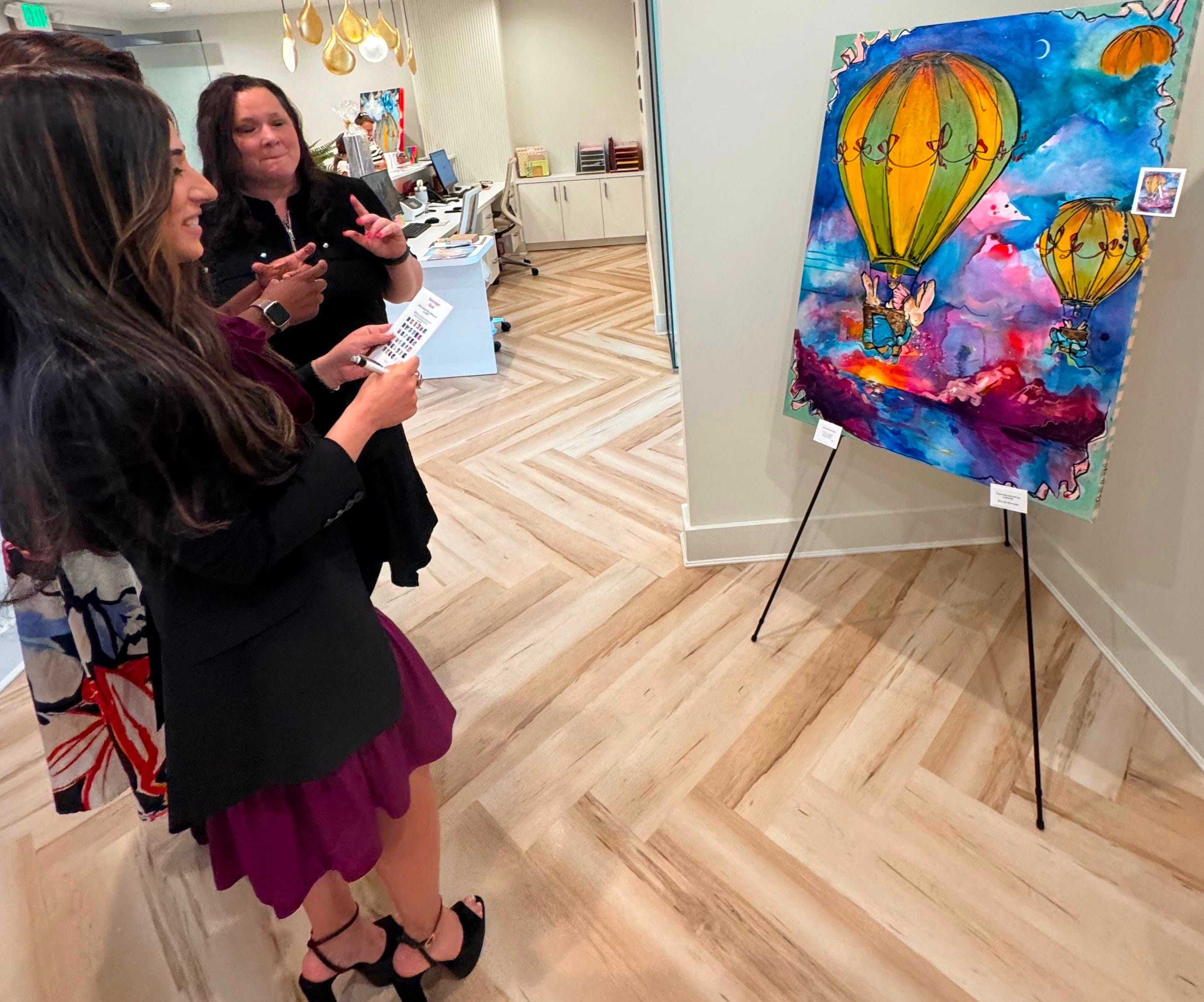
You’ve probably heard that creating art can reduce stress, improve focus, and activate the brain’s creative networks. But what about simply looking at it?
It turns out that beholding art, really slowing down long enough to take it in, is incredibly good for us. Studies show that sustained viewing can lower cortisol, heighten attention, and even increase empathy. This is one of those practices that is surprisingly difficult to do. The economy of attention has fragmented our minds. We scroll, skim, and glance. It takes real effort to look long enough to feel changed by what we see.
Designing a Behavioral Experience Around Art
At one of my recent art shows, I wanted to explore whether a simple behavioral intervention could help people experience the artwork more deeply. My goal was to create a simple, optional, and self-guided activity where the behaviors of noticing and sharing would occur naturally without anyone being instructed to “slow down.”
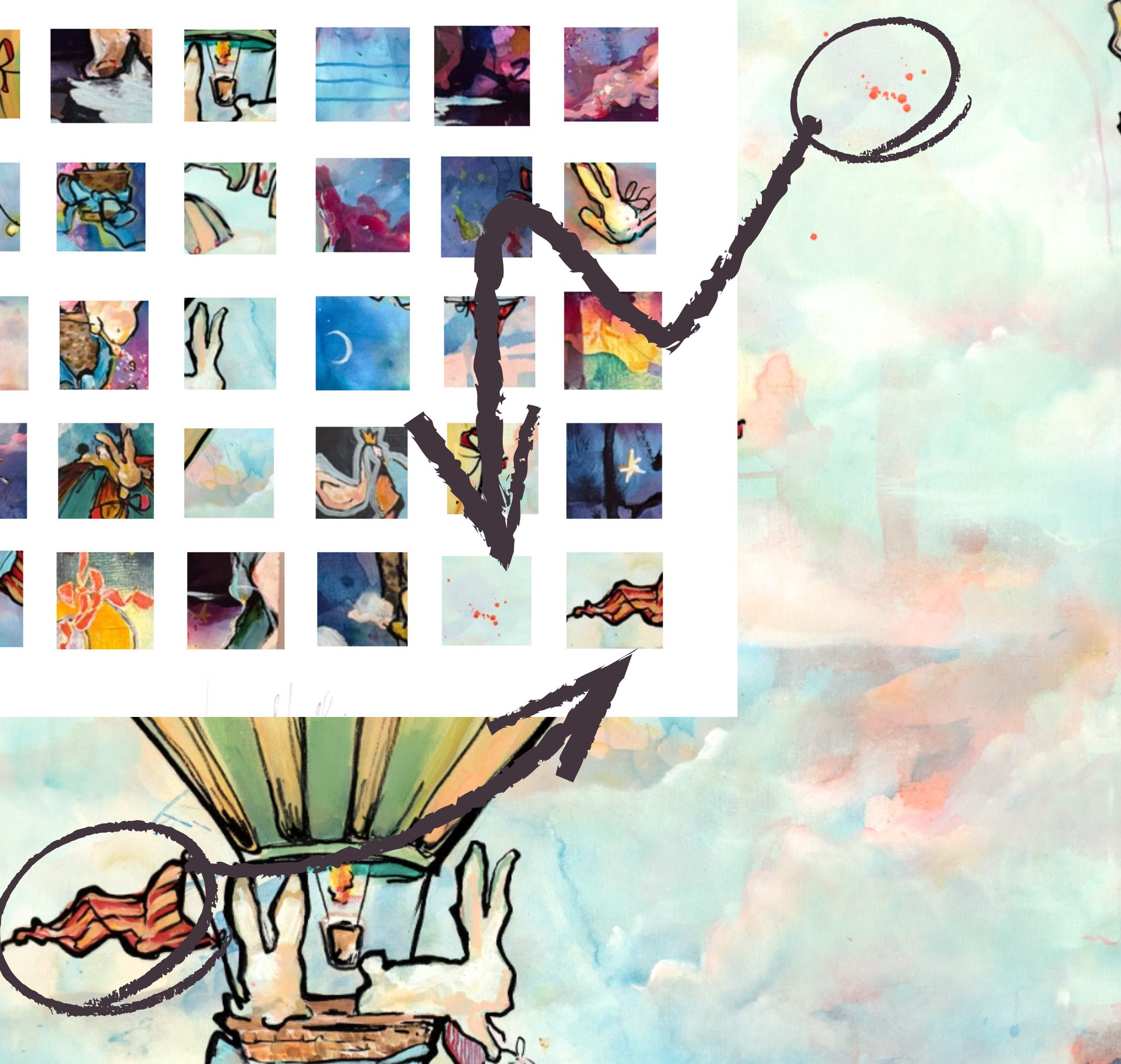
I used a scavenger hunt format. Across five of my paintings, I selected small visual details: shapes, layers, and color motifs, and then printed them on a small card. Visitors were asked:
“Does this image belong in painting A or painting B?”
Each card was paired with a pen, and guests were invited to wander the exhibit with their friends or families to find where each cropped detail belonged.
What Happened
It worked better than I could have imagined.
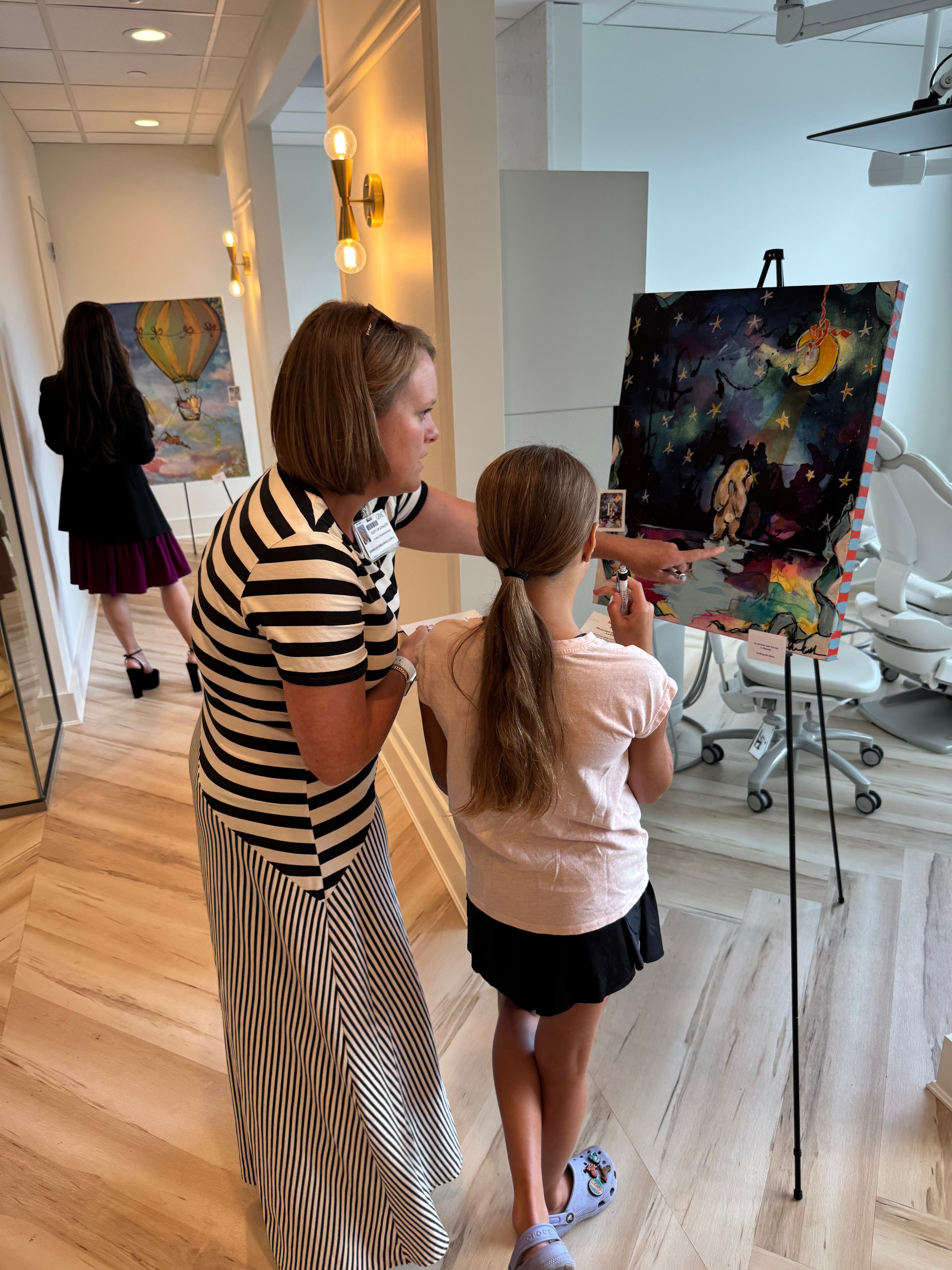
People lingered longer at each painting. They noticed small transitions of color, traced lines, and pointed out textures. Attention spans stretched naturally, without prompting.
And something else happened—conversation.
“I thought that swirl was in painting B, but maybe it’s in C.”
“But look at the difference in the greens, I’m not sure they’re exactly the same like I thought.”
“Are those ribbons, or coral? Why do you think they appear in both pieces?”
The dentist office turned pop-up gallery filled with quiet collaboration. People were looking, people were lingering, people were connecting and maybe even, beholding.
As both an artist and behavior analyst, this was fascinating to witness. The act of finding and matching moments in the paintings seemed to change how people looked. It strengthened attention and deepened social engagement.
What It Means
This experience made me wonder what else might be possible. If our attention has become too fractured for beholding to come easily, maybe we can borrow from behavioral science to bring it back. Rather than instructing people to look longer or feel something specific, we can design environments that make those responses more likely, where noticing, curiosity, and calm emerge naturally from the way the experience is built.
As both a scientist and an artist, I am interested in how thoughtful design might help people access more of the benefits that art offers: lower stress, greater focus, and a moment of connection in an increasingly distracted world.
As Your Brain on Art details for us, the simple act of looking can change the brain, let’s continue to find ways to make it easier for more people to access the amazing benefits of engagement in the creative arts.
-Hannah Katherine, artist & analyst